The Essential Role of a Medical Construction Group in Modern Healthcare Infrastructure
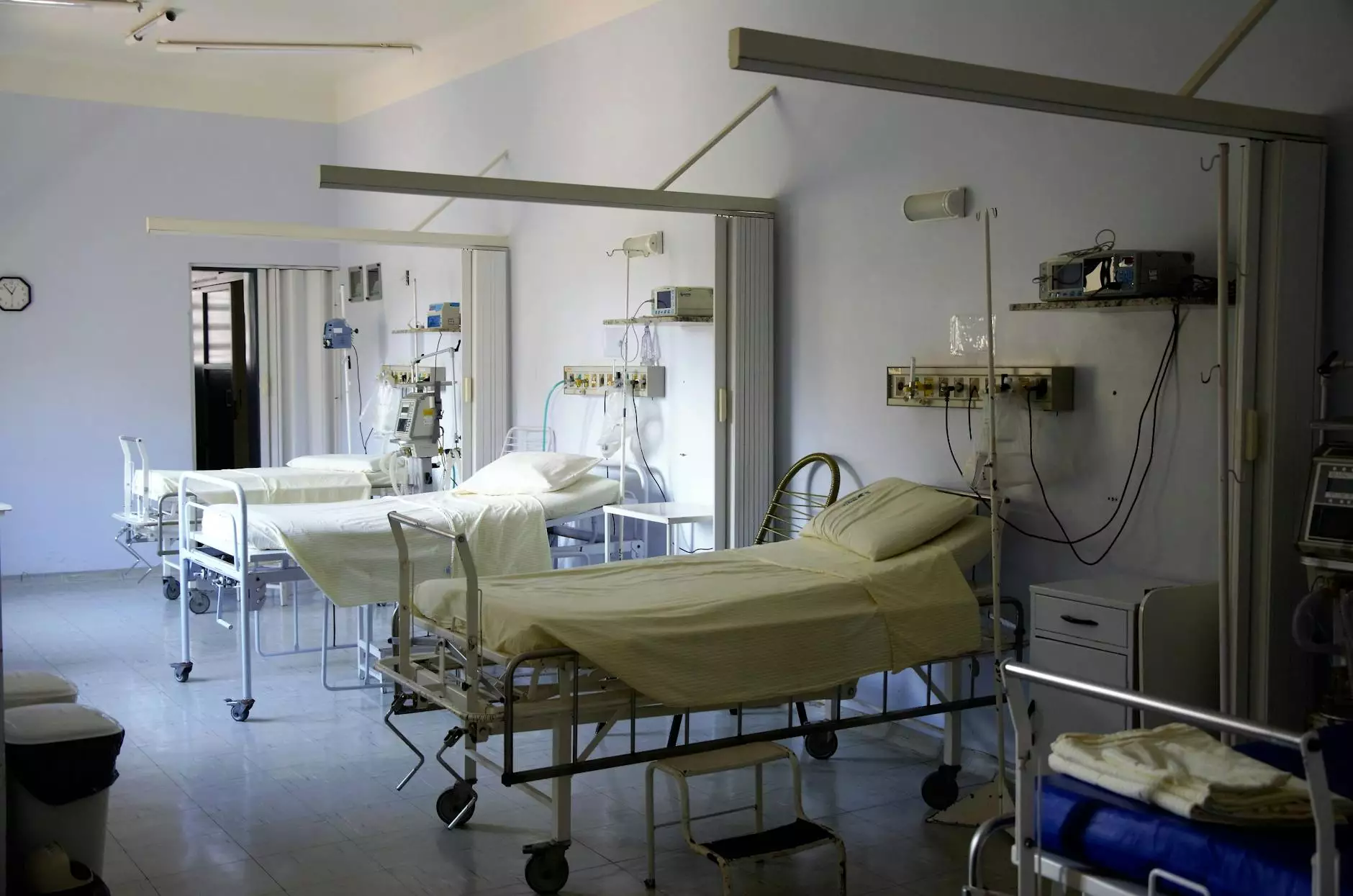
In the rapidly evolving landscape of healthcare, the importance of specialized construction is unmatched. A medical construction group serves as a cornerstone for developing cutting-edge medical facilities that meet stringent regulatory standards, incorporate the latest technology, and foster optimal patient care. From state-of-the-art hospitals to outpatient clinics and research laboratories, the role of a skilled medical construction group is pivotal in transforming medical visions into reality.
Understanding the Importance of a Medical Construction Group
Construction projects within the healthcare sector are inherently complex. They demand a meticulous approach that marries architectural excellence with medical precision and compliance. A medical construction group specializes in navigating these complexities, ensuring that every facet of the project adheres to healthcare regulations, safety standards, and operational functionality.
These firms bring together a diverse team of architects, engineers, project managers, and healthcare consultants dedicated to designing and building facilities that prioritize patient safety, staff efficiency, and technological integration. Their expertise guarantees that healthcare providers can focus on delivering quality care without the worries of construction-related disruptions or regulatory concerns.
Why Choose a Medical Construction Group? Essential Benefits
- Expertise in Healthcare Facility Design: Medical construction groups possess deep knowledge of specialized design requirements including infection control, sterile environments, and patient flow optimization.
- Regulatory Compliance & Licensing Assistance: They ensure all construction adheres to local, state, and federal healthcare regulations, including HIPAA, OSHA, and ADA standards.
- Advanced Technological Integration: From digital imaging systems to electronic health records infrastructure, they facilitate seamless integration within the facility's layout.
- Cost Control & Budget Management: Through precise planning and resource allocation, they help keep projects within budget without compromising quality.
- Time-Efficient Project Delivery: Their experience ensures projects are completed on schedule, minimizing operational disruptions.
- Enhanced Patient Experience: Thoughtful design by a medical construction group leads to more comfortable, accessible, and efficient healthcare environments.
The Role of a Medical Construction Group in Building Future-Ready Healthcare Facilities
In today’s healthcare environment, adaptability and innovation are vital. A medical construction group develops facilities that are not only functional today but also flexible enough to accommodate future technological advancements and growing patient demands.
Factors involved in future-proofing healthcare construction include:
- Scalable Design Principles: Creating spaces that can expand or reconfigure based on evolving medical practices and technology updates.
- Incorporating Green Building Practices: Utilizing sustainable materials and energy-efficient systems to reduce operating costs and environmental footprint.
- Smart Building Technologies: Embedding IoT devices and automation systems for enhanced facility management and patient safety.
- Resilient Infrastructure: Building resilient critical systems such as power, water, and HVAC to ensure uninterrupted operations during emergencies.
Such strategic planning exemplifies how a medical construction group drives innovation and sustainability in healthcare facilities, preparing them for the challenges and opportunities of tomorrow.
Key Phases Managed by a Medical Construction Group
1. Planning & Design
The initial phase involves comprehensive needs assessment, master planning, and detailed architectural design. Emphasis is placed on creating a layout that optimizes workflow, maximizes patient comfort, and incorporates modern healthcare standards.
2. Permitting & Regulatory Approvals
Ensuring all necessary permits and licenses are obtained in compliance with healthcare policies, local building codes, and safety regulations is critical. A medical construction group manages this complex process seamlessly.
3. Construction & Site Management
The execution phase demands rigorous site management, quality control, and safety oversight. Special attention is given to infection control protocols, patient safety, and minimizing operational disturbance.
4. Technology Integration & Commissioning
Installation of medical equipment, IT infrastructure, and compliance testing are crucial to ensure readiness for operational use. The group coordinates with vendors and healthcare staff for smooth commissioning.
5. Post-Construction & Maintenance
Proper training, facility management, and routine maintenance protocols are established to sustain the quality, safety, and efficiency of the healthcare environment over time.
Choosing the Right Medical Construction Group: What to Consider
- Experience & Portfolio: Demonstrated success in healthcare projects similar in size, scope, and specialty.
- Regulatory Knowledge: Proficiency in navigating complex healthcare regulations and standards.
- Technological Expertise: Ability to incorporate the latest healthcare technologies and innovations.
- Client References & Reputation: Positive feedback from previous clients and a strong industry reputation.
- Integrated Services: Offering comprehensive services from design to maintenance, reducing project management complexities.
The Future of Healthcare Construction: Trends That a Medical Construction Group Is Leading
As healthcare continues to evolve, several key trends are shaping the construction landscape:
- Emphasis on Telemedicine & Remote Diagnostics: Designing flexible spaces that support telehealth services.
- Focus on Patient-Centered Design: Creating environments that promote healing, comfort, and dignity.
- Adoption of Modular Construction Techniques: Accelerating project timelines and reducing waste through prefabricated components.
- Enhanced Infection Control Measures: Utilizing advanced materials and design strategies to minimize infection risks.
- Integration of AI & Data Analytics: Embedding systems that enhance operational efficiency and predictive maintenance.
Leading medical construction groups are at the forefront of these innovations, ensuring healthcare facilities are equipped to meet future demands efficiently and effectively.
Conclusion: The Strategic Advantage of Partnering with a Medical Construction Group
Investing in healthcare infrastructure is investing in community well-being. A medical construction group provides not only construction expertise but also strategic insights into creating resilient, sustainable, and innovative healthcare facilities. Their role is increasingly vital in ensuring that healthcare providers have the infrastructure needed to deliver exceptional patient care now and into the future.
By choosing a reputable, experienced medical construction group, healthcare organizations can secure a partner committed to excellence, compliance, and innovation—factors that directly impact patient outcomes, operational efficiency, and community health.
Building tomorrow’s healthcare facilities begins today with the right partner—let a specialized medical construction group guide your project to success.