Understanding Salpingo-Oophorectomy: A Comprehensive Guide by Leading Obstetricians & Gynecologists
In the realm of women's health, surgical procedures play a pivotal role in diagnosing, treating, and managing various gynecological conditions. Among these procedures, salpingo-oophorectomy is a significant operation that often garners attention due to its implications for fertility, hormonal balance, and overall health. This detailed guide, brought to you by expert obstetricians and gynecologists, aims to thoroughly explain what is salpingo oophorectomy, its types, indications, process, recovery, and future considerations.
What is Salpingo-Oophorectomy? An In-Depth Explanation
Salpingo-oophorectomy is a surgical procedure involving the removal of the ovary and fallopian tube. The term derives from Latin roots: salpingectomy (fallopian tube removal) and oophorectomy (ovary removal). When combined, this procedure addresses multiple gynecological issues that often involve both reproductive structures. It plays a critical role in the management and prevention of various ovarian, fallopian tube, and pelvic diseases.
Types of Salpingo-Oophorectomy: Complete, Unilateral, and Bilateral
Depending on the medical indication, salpingo-oophorectomy can be classified into several types:
- Unilateral Salpingo-Oophorectomy: Removal of one ovary and its corresponding fallopian tube. This is typically performed when disease or pathology is confined to one side, preserving fertility potential.
- Bilateral Salpingo-Oophorectomy: Removal of both ovaries and fallopian tubes. Often recommended in cases of high cancer risk or widespread disease.
- Partial or Segmental Removal: Removal of part of the ovary or fallopian tube, usually as a conservative approach when caught early.
Indications for Salpingo-Oophorectomy: Why Is It Performed?
Understanding why a doctor recommends salpingo-oophorectomy requires knowledge of the various medical conditions it addresses:
- Ovarian or Fallopian Tube Cancer: This is the primary indication, especially in cases of ovarian or fallopian tube malignancies where removal helps prevent spread and recurrence.
- Endometriosis: Severe endometriosis involving the ovaries may necessitate removal of affected tissue.
- Benign Cysts or Tumors: Large or recurrent ovarian cysts, cystic tumors, or non-cancerous growths often require surgical intervention.
- Genetic Risk Factors: Women with BRCA1 or BRCA2 gene mutations may opt for prophylactic salpingo-oophorectomy to significantly reduce ovarian and breast cancer risk.
- Pelvic Inflammatory Disease (PID) and Severe Infection: Intractable infections or abscesses in the fallopian tube or ovary may warrant removal.
- Tubal Ligation or Sterilization: Sometimes, this procedure is combined or performed as a measure of sterilization.
The Surgical Procedure: How Is Salpingo-Oophorectomy Performed?
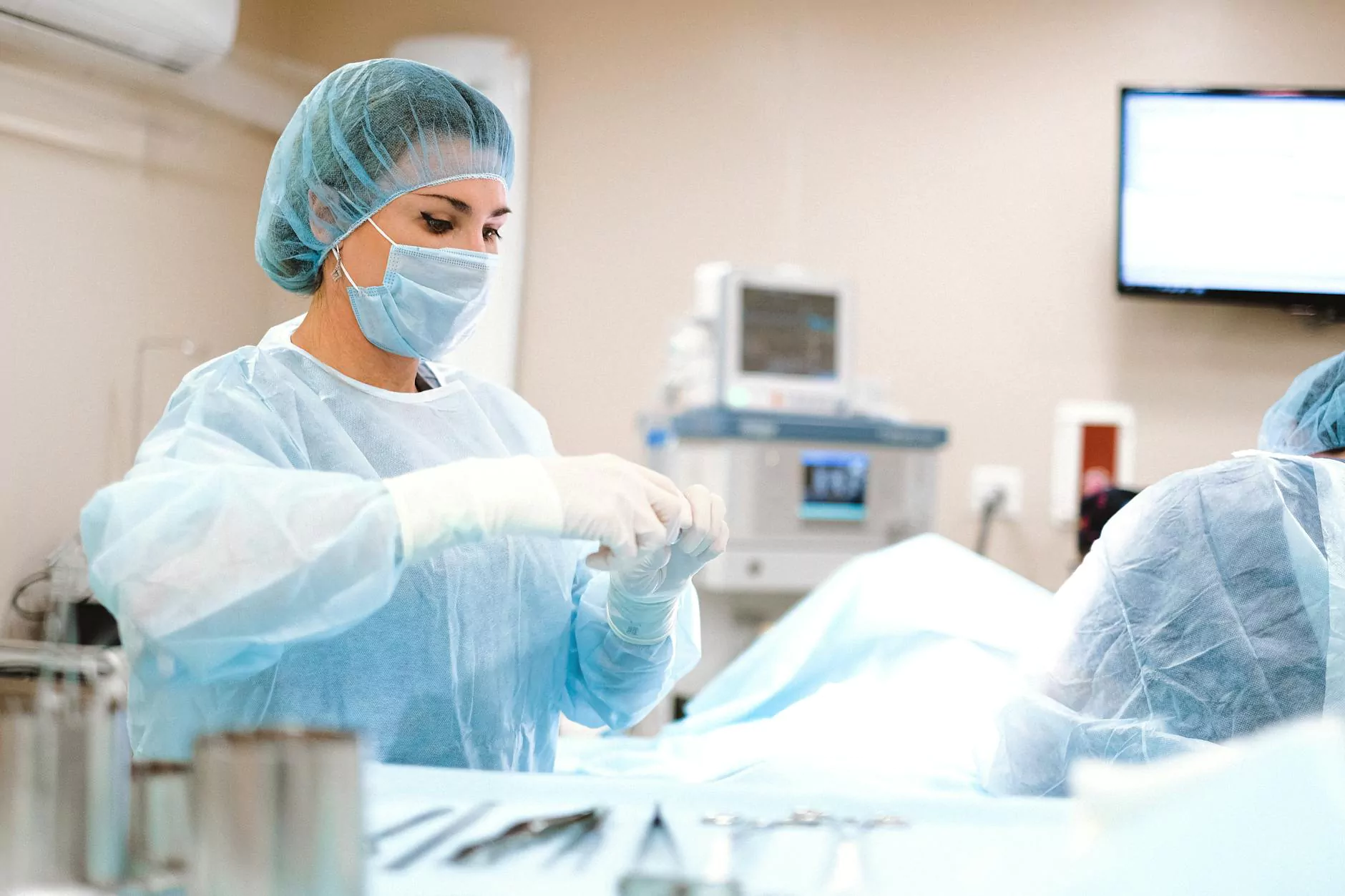
The execution of salpingo-oophorectomy involves advanced surgical techniques, primarily either open surgery (laparotomy) or minimally invasive methods such as laparoscopy or robotic-assisted surgery. The choice depends on the patient’s condition, disease extent, and surgeon expertise.
Preoperative Preparation
Prior to surgery, patients undergo thorough medical evaluations, including pelvic imaging, blood tests, and assessment of overall health. Discussions about anesthesia, potential risks, and postoperative care are essential for optimal outcomes.
Surgical Steps
- Anesthesia: Usually general anesthesia ensures the patient remains unconscious and pain-free.
- Incision: Depending on the approach, a small incision in the abdomen (laparoscopy) or a larger incision (laparotomy) is made.
- Identification of Structures: The surgeon carefully isolates the ovary and fallopian tube, ensuring preservation of surrounding tissues.
- Removal: The affected structures are then meticulously detached and removed, with care to prevent spillage or damage.
- Closure: The incisions are sutured, and the procedure concludes with postoperative monitoring.
Recovery and Postoperative Care
Recovery from salpingo-oophorectomy varies depending on the surgical method and individual health. Minimally invasive procedures often allow for quicker recovery, typically within a few days, while open surgeries may require longer hospital stays and healing periods.
- Pain Management: Discomfort is managed with prescribed medications.
- Activity Restrictions: Patients are generally advised to avoid strenuous activities for several weeks.
- Follow-Up: Regular postoperative follow-ups are essential for healing assessment and discussions about hormonal or fertility implications.
- Hysterectomy Considerations: If the uterus remains in place, hormonal changes may occur, influencing symptoms and future health planning.
Hormonal and Fertility Implications Post-Salpingo-Oophorectomy
One of the critical aspects of what is salpingo oophorectomy involves understanding its impact on hormonal balance and fertility. Removal of ovaries significantly decreases estrogen and progesterone production, potentially leading to menopausal symptoms in premenopausal women.
For women aiming to preserve fertility, fertility-sparing procedures or partial removals are considered when appropriate. However, in prophylactic or treatment contexts, the primary focus remains on health benefits.
Future Health Considerations and Risks
Postoperative women need to be aware of potential long-term health considerations, including:
- Menopausal Symptoms: Hot flashes, night sweats, vaginal dryness, and mood swings often occur, especially after bilateral removal.
- Bone Density Loss: Reduced estrogen increases osteoporosis risk; lifestyle modifications along with hormone therapy may be recommended.
- Cardiovascular Disease: Some studies suggest increased risk, reinforcing the importance of healthy lifestyle choices.
- Cancer Screening and Surveillance: Women with high genetic risk may need ongoing monitoring even after surgery.
Why Choose a Leading Obstetrician & Gynecologist for Your Salpingo-Oophorectomy?
Ensuring expert surgical care and holistic management of your health requires choosing experienced obstetricians and gynecologists, such as the specialists at drseckin.com. Their focus extends beyond surgery to personalized care, counseling, and long-term health planning that aligns with your unique needs.
Conclusion: The Critical Role of Salpingo-Oophorectomy in Women's Healthcare
In summary, what is salpingo oophorectomy encompasses a vital surgical intervention addressing complex gynecological conditions, reducing cancer risks, and enhancing women’s health outcomes. Whether performed for disease treatment, prevention, or fertility considerations, understanding this procedure empowers women to make informed healthcare decisions. Collaborating with skilled obstetricians and gynecologists ensures safety, precision, and holistic care, paving the way for optimal health and well-being.
Remember, if you are facing a situation that might require this procedure or seeking expert advice, consulting a specialized obstetrician & gynecologist is the first step towards comprehensive and compassionate care.